
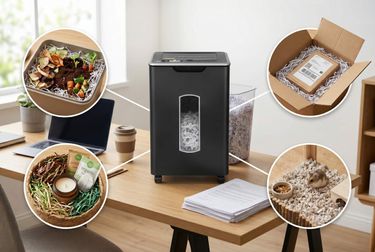
4 Creative Ways to Reuse Shredded Paper
You just spent the afternoon cleaning out your home office filing cabinet. Five years' worth of outdated bank statements, old tax returns, and utility bills are finally gone, safely destroyed to protect your privacy. But now you are staring at a massive bin full of fluffy, destroyed documents. Throwing it all in the standard trash feels like a massive waste of resources, right? If you want to be more eco-friendly, finding ways to reuse shredded paper is a fantastic place to start. It keeps unnecessary waste out of local landfills, provides free materials for household chores, and gives a second life to your old documents. From protecting fragile items in the mail to enriching your backyard garden, that bin of paper confetti is actually full of untapped potential. Have you ever wondered what to do with all that leftover material instead of just tossing it away?
The Foundation: Why Your Machine's Security Level Matters
Before diving into specific creative projects, we need to talk about the output itself. The shape and size of shredded paper determine how it can be reused or recycled. Not all cuts are created equal, and this directly ties into the DIN security rating of your machine (which ranges from P2 to P7). If you are operating a basic P2 strip-cut machine, you get long, noodle-like ribbons. While these are okay for some very basic void-fill in shipping boxes, they fail to protect your personal information effectively and are incredibly bulky.
As a reviewer of home office equipment, I always recommend looking higher up the security scale for household use. When you move into the P4 cross-cut territory, the paper is diced into small rectangular confetti. This is where the magic happens for most home recycling projects. However, if you are serious about ultimate privacy and want the absolute best texture to reuse shredded paper, a P5 or P6 micro-shredder is the gold standard. These high-security machines turn full sheets of paper into tiny, almost dust-like particles. This ultra-fine material breaks down incredibly fast in nature and packs densely into boxes, making it highly versatile for secondary uses around the house.
| DIN Security Level | Cut Type | Particle Characteristics | Best Household Reuse Application |
|---|---|---|---|
| P2 / P3 | Strip-Cut | Long, bulky ribbons | Basic, non-secure box filling |
| P4 | Cross-Cut | Small rectangles | General composting, DIY gift baskets |
| P5 / P6 | Micro-Cut | Tiny, dense particles | Pet bedding, rapid soil composting, fragile packing |
Create Natural Packaging Material
One of the most practical and immediate ways to utilize your paper waste is by swapping out expensive, environmentally harmful plastics for homemade packing material. Whenever you need to ship a delicate item, mail a gift to a relative, or pack up fragile dishes for a residential move, that bin of paper fluff is your best friend. Instead of buying rolls of plastic bubble wrap or styrofoam packing peanuts, you can use a robust 12-sheet paper shredder to process unneeded junk mail and non-sensitive documents into a protective cushion.
Here is how you can effectively protect your valuables:
- The Layering Method: Place a dense, two-inch layer of paper particles at the bottom of your cardboard shipping box to act as a shock-absorbing base.
- The Nesting Technique: Nestle your fragile item (like a ceramic mug or glass vase) into the center of the base layer, ensuring it does not touch the sides of the cardboard box.
- Dense Packing: Tightly stuff the remaining empty space on the sides and top with handfuls of paper. Press it down gently to remove large air pockets, ensuring the item cannot shift during transit.
- Bagged Protection: If you are worried about paper dust getting into the crevices of electronics or mechanical items, put the shredded material inside a reused plastic grocery bag, tie it off, and use the stuffed bag as a clean, custom-shaped cushion.
Start a Compost System
If you have a backyard garden or even just a few potted balcony plants, adding paper waste to a compost pile is an incredibly efficient way to enrich your soil. Successful composting relies on a delicate balance of "green" matter (nitrogen-rich materials like grass clippings, vegetable peels, and coffee grounds) and "brown" matter (carbon-rich materials). Paper is heavily carbon-based, making it an ideal, readily available source of brown matter to keep your compost pile balanced, aerated, and odor-free.
When you add this material to your compost bin, the size of the paper matters immensely. Long strips tend to mat together when wet, creating a dense, impenetrable barrier that suffocates the beneficial bacteria in your compost pile. However, the tiny particles produced by a high-security machine prevent this matting. Because a micro-shredder drastically increases the surface area of the paper, earthworms and soil microbes can break it down at an accelerated rate. You just need to ensure you are only composting standard matte printer paper, newspaper, or cardboard. Avoid tossing in glossy magazine pages, heavily dyed flyers, or envelopes with plastic window panes, as the synthetic inks and microplastics can contaminate your garden soil.

Making DIY Gift Basket Filler Material
When holidays, birthdays, or corporate gifting events roll around, presentation is everything. Store-bought crinkle paper or synthetic grass filler can be surprisingly expensive and is almost always thrown away immediately after the gift is opened. You can easily replace these commercial products by learning to reuse shredded paper to create beautiful, customized, and eco-friendly gift basket bases.
To elevate your homemade filler from looking like office trash to a premium presentation layer, try these simple techniques:
- Color Sorting: Before you run documents through the blades, sort out any colored construction paper, colored envelopes, or clean brown kraft paper. Shredding these separately gives you dedicated batches of colored filler that look fantastic in rustic or festive baskets.
- The Fluffing Method: Take a handful of cross-cut paper, dampen your hands very slightly, and gently crumple the paper into a loose ball before pulling it apart. This gives the flat pieces a crimped, voluminous texture that mimics expensive commercial crinkle paper.
- Eco-Friendly Dyeing: For a truly custom look, you can mist the paper with a highly diluted mixture of water and natural food coloring using a spray bottle. Let the paper dry completely in the sun before nesting your gifts inside.
Creating Bedding for Small Household Pets
Another excellent way to repurpose your office waste is by turning it into comfortable bedding for small animals. If you have guinea pigs, hamsters, gerbils, or even chickens, you likely spend a significant amount of money every month on wood shavings or commercial paper bedding to line their cages. A reliable home paper shredder can completely eliminate this recurring cost by providing a steady stream of soft, absorbent cage lining.
When creating pet bedding, security levels P4 and above are highly recommended. The small, uniform cut is much softer on delicate paws than the harsh, stiff edges of standard strip-cut paper, and it absorbs moisture much more effectively. The dense nature of the smaller particles also makes it easier for small rodents to burrow and build natural nests. As with composting, safety is the primary concern here. You must guarantee that the documents you destroy for pet bedding are free of staples, paper clips, and toxic inks. Most modern black-and-white printer ink is soy-based and perfectly safe, but you should completely avoid using glossy promotional materials, receipt paper (which often contains BPA), or heavily dyed cardboard, as small pets will inevitably chew on their bedding.
Maintaining Your Machine for Continuous Upcycling
When you consistently recycle shredders' paper output for your home projects, you are inevitably putting a higher workload on your machine's motor and cutting cylinders. Turning thousands of pages into fine compost or packaging material generates a significant amount of paper dust. Over time, this dust mixes with natural environmental moisture and binds to the metal cutting teeth. If left unaddressed, this buildup severely dulls the blades, increases the operational volume of the machine, and inevitably leads to frustrating, stubborn paper jams.
To keep your machine running smoothly and quietly, routine maintenance is non-negotiable. This does not require taking the machine apart or dealing with messy bottles of liquid oil. Instead, simply run standard, pre-measured lubricant sheets through the feed slot once or twice a month, depending on your usage volume. These specialized sheets safely deliver the exact right amount of lubrication directly to the cutting cylinders, dissolving compacted paper dust and keeping the anti-jam technology functioning flawlessly.
Conclusion
Transforming your sensitive documents into packaging material, compost, gift filler, and pet bedding is a brilliant way to protect your privacy while reducing your household's environmental footprint. However, creating high-quality, reusable material requires a machine that can handle the job effortlessly without disrupting your home environment. Wingwise is committed to providing C-end consumers with high-security, ultra-quiet paper shredders that seamlessly blend into your living space. With advanced anti-jam technology and security levels designed to give you absolute peace of mind, our machines are the perfect addition to any home office. Upgrade your privacy protection today—explore the Wingwise collection of home shredders and maintenance lubricant sheets, and start turning your paper waste into something genuinely useful for your family.
FAQ
Can I recycle shredders' paper waste in my local municipal recycling bin?
In many municipalities, you cannot put loose, finely cut paper directly into the curbside recycling bin because the small pieces fall through the sorting grates at the recycling facility. You should always check with your local waste management provider; some require you to place the paper inside a sealed paper bag before tossing it in the recycling bin.
Does a micro-shredder produce better material for soil composting?
Yes, absolutely. The tiny, dust-like particles drastically increase the surface area exposed to the elements and beneficial microbes in your compost pile. This allows the brown carbon matter to break down and integrate into the soil much faster than long strips, which tend to mat together and block oxygen.
Is it safe to use paper shredded from credit card statements for pet bedding?
Standard black-and-white bank statements and printer paper are generally safe, as modern printer inks are typically non-toxic and soy-based. However, you must ensure there are no plastic envelope windows, staples, or heavily dyed inserts mixed in, as these can be harmful if your hamster or guinea pig chews on them.
How often should I use lubricant sheets on my home shredder?
If you are heavily processing documents to reuse shredded paper for packaging or bedding, you should run a lubricant sheet through the machine every time you empty the wastebasket. For lighter, everyday household use, running a sheet twice a month is usually sufficient to maintain ultra-quiet operation and prevent jams.
What security level is best for a home shredder if I want to reuse shredded paper?
For the best balance of personal privacy protection and reusable material, a DIN P4 (cross cut shredder) or P5 (micro cut shredder) machine is ideal. These levels securely destroy your sensitive data while producing small, uniform pieces that are perfectly textured for dense packaging, soft pet bedding, and rapid backyard composting.

©2025 shopastro All Rights Reserved.