
Sustainable Home Offices: Eco-Friendly Disposal of Shredded Waste
A home office can produce more paper waste than you might expect. Old bank statements, receipts, bills, tax documents, and unwanted mail often end up in a home shredder machine, especially when privacy matters. But once those documents are turned into tiny paper pieces, what should you actually do with them?
The good news is that shredded paper doesn't automatically have to become trash. With the right disposal habits, you can recycle it, reuse it for composting or packaging, and make your everyday document disposal a little more sustainable. So, how can you turn routine shredding into a greener home-office habit?
Can You Recycle Shredded Paper?
Yes, shredded paper can often be recycled, but there is an important catch: local recycling programs don't all accept it in the same way.
Loose shredded paper is lightweight and easily escapes during sorting. Tiny pieces can also fall through recycling equipment, which is why some municipal programs ask residents to place shredded paper inside a paper bag or another accepted container before putting it in the recycling bin. Always check your local recycling guidelines rather than assuming that every curbside program handles shredded paper identically.
Before recycling paper from your paper shredders, take a few seconds to separate materials that should not go into the paper recycling stream. For example, remove plastic windows, laminated pieces, plastic cards, and other non-paper items unless your local program specifically accepts them.
A simple recycling routine can look like this:
- Shred only documents that actually need secure disposal.
- Remove plastic, metal, and other non-paper materials when required.
- Collect shredded paper instead of scattering it loosely around the recycling bin.
- Follow your local recycling service's rules for shredded paper.
- Keep food, liquids, and other contaminants away from the shredded material.
The type of shredder you use can also affect the physical form of your waste. Cross-cut shredders produce smaller pieces than strip-cut models, while micro-cut shredders reduce documents into much finer particles. Wingwise's P-5 Micro-Cut models, for example, create particles around 2 × 15 mm on certain models, providing a higher level of document security while changing the texture and volume of the resulting waste.
That doesn't mean micro-cut paper is automatically harder to recycle. The bigger issue is how your local recycling facility collects and processes shredded paper. If the facility has special instructions, those instructions should take priority.
For households dealing with sensitive documents, this creates a useful balance: use a secure paper shredder to protect personal information first, then choose the most responsible disposal method available in your area.
Using Shreds for Composting and Packaging
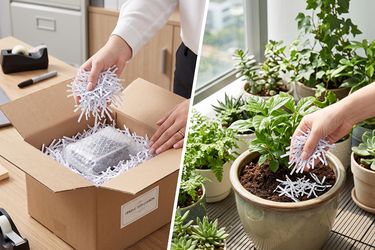
Recycling isn't the only way to give shredded paper another purpose. Clean, untreated paper shreds can also be useful around the home, particularly when you're looking for simple alternatives to disposable packing materials.
Shredded Paper for Composting
Plain shredded paper can be a useful carbon-rich material for some home composting systems. Paper fibers break down over time, but not every type of shredded document belongs in a compost pile.
For composting, stick with clean, ordinary paper and avoid material containing coatings, plastic, heavy inks, glossy finishes, or other substances that may not be appropriate for your compost system. If you're unsure about a particular document, recycling is usually the safer option.
Shredded paper works best when mixed with other compost materials rather than added as a thick, compact layer. Too much paper at once can become dense and reduce airflow, while a balanced mixture of dry carbon materials and wetter organic materials helps maintain a healthier compost environment.
For example, clean paper shreds can be combined with:
- Dry leaves and small amounts of cardboard.
- Fruit and vegetable scraps.
- Grass clippings and other suitable green materials.
- Other approved carbon-rich compost materials.
Avoid treating every shredded document as compostable simply because it is made from paper. Receipts, coated papers, laminated documents, and papers containing non-paper components deserve extra caution.
Shredded Paper as Packaging Material
If you frequently receive small products through the mail, shredded paper can also be reused as protective packaging. Instead of immediately throwing it away, collect clean shreds in a dry box and use them to cushion lightweight items.
This can work particularly well for:
- Filling empty space inside shipping boxes.
- Protecting small household items during a move.
- Cushioning gifts.
- Packing fragile but lightweight objects.
- Creating temporary padding for stored items.
Micro-cut shreds can be particularly fine, so they may behave differently from larger cross-cut pieces. They can provide plenty of loose filler but may also spread more easily when handled. Keeping them inside a reusable container until needed can make the process much less messy.
There is another benefit to reusing shredded paper: it gives you more control over the amount of waste your household sends out. Instead of viewing every shredded document as the final stage of its life, you can think of it as a material that may still have a second use.
Eco-Friendly Wingwise Practices for Your Home Shredder Machine
Sustainability isn't only about what happens to the paper after shredding. It also involves getting more useful life from the machine itself.
A well-maintained home shredder machine is less likely to become a frustrating piece of equipment that gets replaced prematurely. Regular maintenance helps keep the cutting mechanism working smoothly and can reduce common problems such as increased noise, slower feeding, and paper jams. Wingwise specifically recommends lubricant sheets as a convenient maintenance option, with the sheets distributing lubricant across the cutters as they pass through the machine.
For a more sustainable home-office routine, consider these habits:
1. Choose the Right Security Level
Don't automatically choose the most powerful shredder simply because it sounds more secure. Think about what you actually shred.
Everyday junk mail and general household paperwork may have different security requirements from tax records, medical documents, financial statements, or highly sensitive business information. Wingwise's buying guidance distinguishes between cross-cut and micro-cut technology, with P-4 commonly suited to everyday sensitive documents and P-5 micro-cut providing a higher level of protection for more sensitive information.
Choosing an appropriate model helps you avoid paying for features you don't need while still protecting the documents that matter.
2. Don't Overload the Shredder
Putting too many sheets through a shredder at once is an easy way to turn a five-minute cleanup into a jammed-machine problem.
Check the manufacturer's sheet capacity and stay within the recommended limit. Wingwise offers models with different capacities, including compact models designed around 10-sheet and 12-sheet use, as well as larger machines intended for heavier workloads.
Feeding an appropriate number of sheets helps maintain consistent performance and reduces unnecessary stress on the cutting mechanism.
3. Keep the Blades Lubricated
Paper dust naturally accumulates inside a shredder, particularly when a machine is used frequently. Over time, insufficient lubrication can increase friction and contribute to louder operation, slower shredding, and more frequent jams.
Lubricant sheets are particularly convenient for home users because they are pre-treated and can be fed through the shredder like a normal sheet. Wingwise positions its lubricant sheets as a mess-free maintenance solution for helping keep cutting blades lubricated and reducing paper dust and jam-related problems.
How often you lubricate depends on how frequently you use the machine. Light household use may require less frequent maintenance, while heavier use and micro-cut shredders can benefit from more regular attention. Following the maintenance instructions for your specific model is the best approach.
4. Empty the Bin Before It Becomes a Problem
A full waste bin isn't just inconvenient. Fine shredded paper can quickly appear more compact than it really is, especially with micro-cut models. Wingwise notes that very fine particles can fill the bin faster than users expect because the material can become fluffy and take up considerable space.
Emptying the bin regularly makes it easier to keep the workspace clean and reduces the chance of paper backing up around the cutting mechanism.
5. Use the Machine for the Materials It Supports
Not every shredder is designed to process every material. Some Wingwise models support items such as staples, cards, CDs, or DVDs, while others are intended primarily for paper.
Before feeding anything unusual into your shredder, check the specifications for your model. Avoid improvising with materials simply because they appear thin enough to fit.
Making Home Shredding More Sustainable
The most sustainable approach isn't necessarily to shred more. It's to shred thoughtfully.
Before putting a document into your paper shredders, ask whether you actually need to destroy it. Some papers may still be useful for digital records, household organization, or ordinary recycling without requiring secure destruction. When a document does contain personal or confidential information, however, shredding remains a practical way to reduce the risk of sensitive details being recovered from discarded paperwork.
Then consider the complete process: choose an appropriate security level, operate the machine within its capacity, maintain the cutters, and dispose of the resulting paper responsibly. This small chain of habits can make a noticeable difference in a home office.
For many households, a compact, quiet shredder is also easier to integrate into everyday life. Wingwise offers models designed around home and office environments, including P-5 micro-cut options with compact bodies and low operating noise. Some models operate at levels as low as 48 dB, making them better suited to shared spaces where excessive machine noise can quickly become annoying.
The result is a more practical approach to sustainability: protect your information, reduce unnecessary waste, maintain the equipment you already own, and reuse shredded paper when appropriate.
Conclusion
A greener home office doesn't require complicated changes. Start with the documents you already handle every week. Shred sensitive paperwork when necessary, recycle or reuse clean paper shreds where appropriate, and keep your machine properly maintained.
If you're looking for a reliable way to protect personal documents without making home organization harder, explore Wingwise's range of paper shredders. From compact cross-cut models to high-security micro-cut machines and convenient lubricant sheets, you can choose a setup that fits your privacy needs, workspace, and everyday routine.
Frequently Asked Questions
Can shredded paper go in the recycling bin?
Often, yes, but recycling rules vary by location. Some programs require shredded paper to be contained in a paper bag or handled separately, so check your local recycling guidelines before disposal.
Can shredded paper from a home shredder machine be composted?
Clean, plain paper shreds may be suitable for some composting systems. Avoid glossy, laminated, coated, or otherwise treated papers unless your local composting guidance specifically allows them.
Are micro-cut paper shredders more environmentally friendly?
Micro-cut paper shredders primarily provide a higher level of document security rather than automatically being more sustainable. Their fine particles can, however, be reused for certain packaging or other appropriate purposes.
How often should I use shredder lubricant sheets?
The ideal frequency depends on usage and the specific model. For regular home use, follow the manufacturer's maintenance recommendations and lubricate more frequently if you notice increased noise, slower shredding, or more jams.
Do lubricant sheets help prevent paper jams?
Regular lubrication can help reduce friction and paper-dust buildup, which may contribute to smoother cutting and fewer jams. Wingwise recommends lubricant sheets as a convenient maintenance option for its shredders.
What is the best paper shredder for a home office?
The best paper shredder depends on your document sensitivity, sheet volume, available space, and noise preferences. A compact P-4 cross-cut model may suit everyday paperwork, while a P-5 micro-cut shredder is a better choice for highly sensitive documents.
Can I reuse shredded paper as packaging?
Yes. Clean shredded paper can be reused as filler for boxes, gifts, and lightweight household items. Store it somewhere dry and use enough material to cushion the item without compressing it excessively.

©2025 shopastro All Rights Reserved.